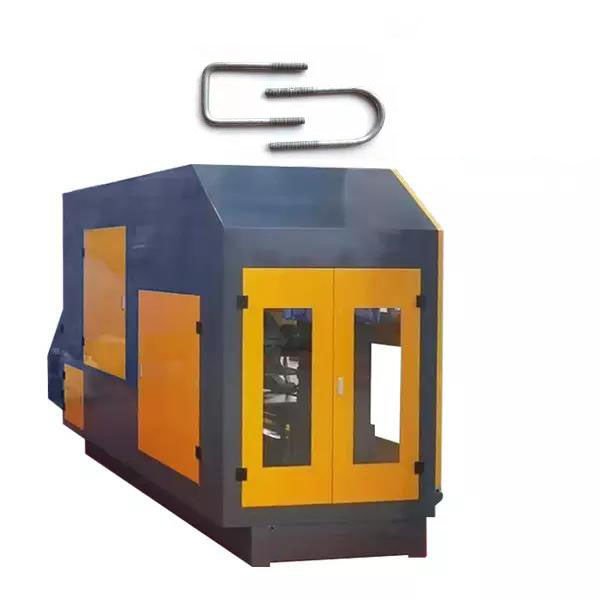
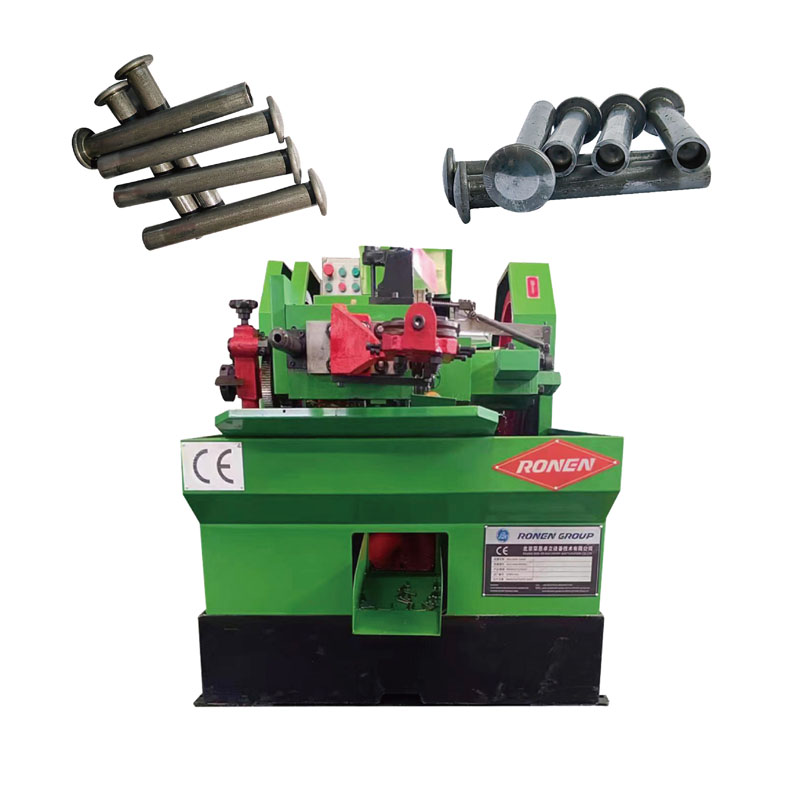
Six Station Metal Nut Making Machine technology is becoming an important part of modern fastener manufacturing as industrial producers continue to focus on production efficiency, dimensional consistency, and automated metal forming. With multiple forming stages arranged within one production system, this type of equipment provides a structured approach to manufacturing metal nuts while reducing the need for separate processing operations.
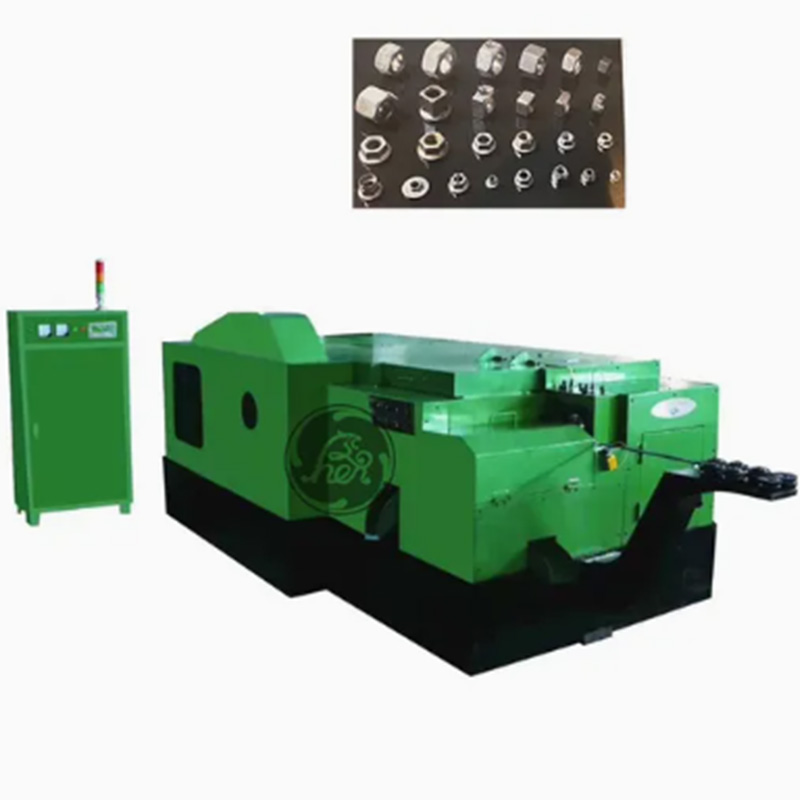
Metal nut production involves several manufacturing stages, including material feeding, cutting, forming, shaping, and finishing. In conventional production arrangements, some of these operations may require separate equipment or additional material handling. A six-station configuration integrates multiple forming operations into a coordinated production sequence.
Each station performs a designated operation, allowing metal workpieces to move through successive forming stages. Depending on the machine design and nut specifications, these stages may involve blank preparation, preliminary shaping, material redistribution, hole formation, and final dimensional forming. The coordinated sequence helps establish a continuous manufacturing process and reduces unnecessary movement between individual operations.
One of the main advantages of multi-station manufacturing is the ability to perform several forming operations within a connected production cycle. Instead of transferring individual workpieces between separate machines, the equipment coordinates different stages through a synchronized mechanical system.
A Six Station Metal Nut Making Machine can therefore support more organized production workflows, particularly when manufacturers process standardized nut designs in repeated batches. The arrangement of forming stations helps reduce intermediate handling and provides a consistent sequence for material transformation.
Production efficiency also depends on factors such as feeding stability, tooling condition, machine speed, material properties, and maintenance schedules. A well-coordinated process can reduce interruptions caused by unnecessary transfers, while stable operating conditions help maintain predictable manufacturing output.
Dimensional accuracy is an essential requirement in metal nut production. Thread dimensions, external geometry, hole alignment, and surface conditions can all influence the performance of finished fasteners. Since each forming stage affects the final workpiece, the relationship between stations is an important consideration in production planning.
Manufacturers generally need to monitor tooling wear, forming pressure, material consistency, and dimensional deviations throughout the production process. Inspection procedures may include measurements of critical dimensions, visual examinations, and thread-related checks according to applicable product specifications.
The six-station arrangement provides a defined manufacturing sequence, but it does not automatically guarantee product quality. Consistent results depend on appropriate tooling design, correct machine adjustment, suitable raw materials, and effective quality management. These factors work together to maintain dimensional stability across production batches.
Automation is influencing the development of metal forming equipment across the manufacturing industry. Integrated feeding mechanisms, mechanical transfer systems, monitoring devices, and coordinated controls can help reduce manual intervention during repetitive production operations.
In this context, Six Station Metal Nut Making Machine systems reflect a broader movement toward connected manufacturing processes. By coordinating multiple operations within one equipment arrangement, manufacturers can simplify production organization and improve the continuity of material processing.
Automation also creates opportunities for more systematic production monitoring. Operating parameters, equipment conditions, and process interruptions can be observed to identify potential sources of inefficiency. When combined with preventive maintenance, these practices can help manufacturers manage equipment availability and production consistency.
Although station configuration is important, overall manufacturing performance is influenced by several interconnected factors. Raw material specifications determine how metal behaves during forming, while tooling geometry affects material flow and the shape of the finished component. Machine rigidity and mechanical synchronization also influence the stability of repeated operations.
Maintenance is another important consideration. Regular inspection of forming tools, lubrication systems, feeding mechanisms, and moving components helps identify wear before it develops into more serious production problems. Operators also require appropriate technical training to understand operating procedures and recognize abnormal machine conditions.
As fasteners remain essential components in automotive manufacturing, construction, machinery, electrical equipment, and industrial assembly, the demand for consistent metal nut production continues to shape equipment development. Manufacturers are increasingly examining how integrated forming processes can support production planning, resource utilization, and quality management.
Future developments in multi-station forming equipment are likely to place continued attention on process monitoring, mechanical reliability, tooling optimization, and production data management. These improvements reflect the wider transformation of metalworking toward more coordinated and measurable manufacturing operations.
Overall, production efficiency in modern nut manufacturing depends on the interaction between machine configuration, forming technology, material characteristics, and operational management. By combining multiple forming stages within a coordinated workflow, the Six Station Metal Nut Making Machine represents an established approach to improving process continuity and supporting the evolving requirements of industrial fastener production.