Abstract:
A
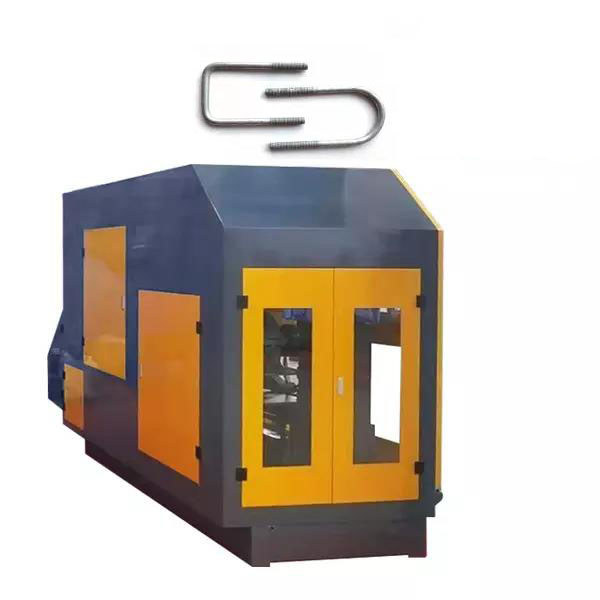
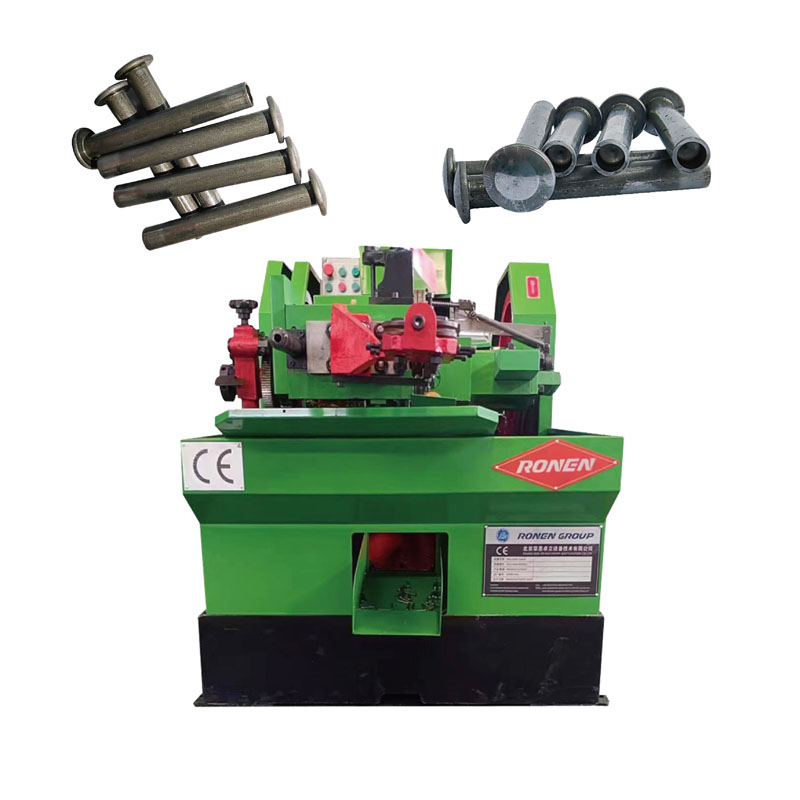
Screw Part Rolling Machine is a highly specialized cold-forming system used in precision manufacturing industries to produce threaded fasteners with improved strength, consistency, and surface finish. This article explains its working principle, structure, advantages, industrial applications, and how businesses can solve common production challenges by integrating this technology into their workflow.
1. Overview of Screw Part Rolling Machine
A Screw Part Rolling Machine is designed to form threads on metal blanks using a cold forging process rather than cutting material away. Unlike traditional machining methods, this system uses hardened dies to plastically deform the metal, creating threads with superior strength and precision.
This technology is widely used in automotive, aerospace, construction hardware, and electronic fastening industries where high durability and dimensional accuracy are critical.
2. Working Principle
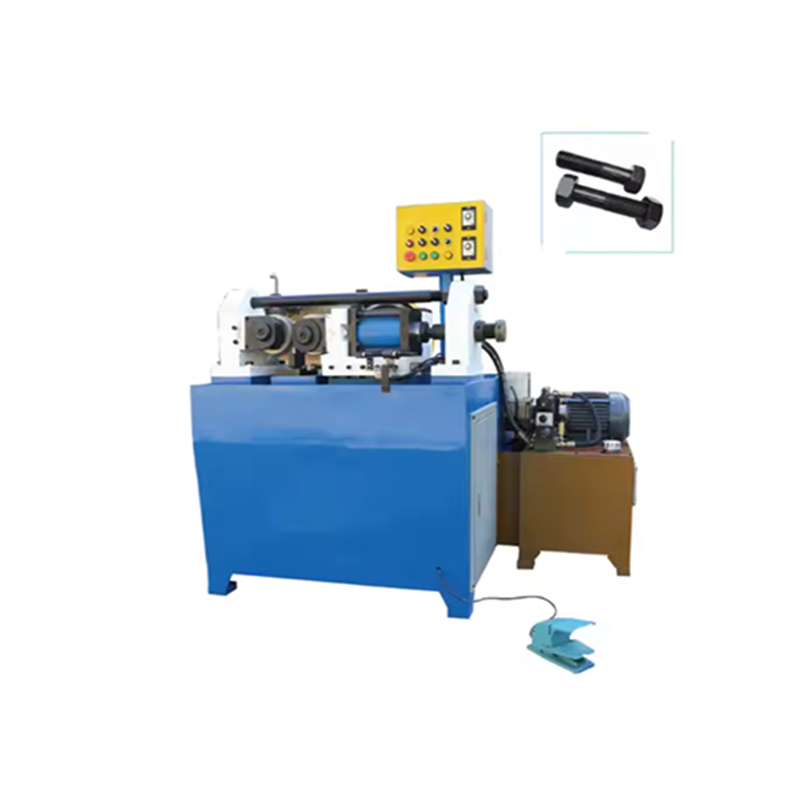
The core principle of a Screw Part Rolling Machine is plastic deformation. A cylindrical blank is fed between two or three hardened rolling dies. These dies rotate and apply high pressure, forcing the material to flow and take the shape of the thread profile.
-
The blank is positioned between rotating dies.
-
High compressive force is applied without cutting.
-
Metal flows into the die grooves forming precise threads.
-
The finished screw is ejected automatically after rolling.
This process improves grain flow direction, resulting in stronger mechanical properties compared to cut threads.
3. Key Components
|
Component
|
Function
|
|
Rolling Dies
|
Shape the thread profile under high pressure
|
|
Feeding System
|
Automatically positions blanks for processing
|
|
Drive Motor
|
Provides rotational force for dies
|
|
Machine Bed
|
Supports structural stability and vibration control
|
|
Control System
|
Manages speed, pressure, and synchronization
|
Modern machines integrate CNC systems for higher precision and automation, reducing human error and improving production efficiency.
4. Advantages in Industrial Production
Using a Screw Part Rolling Machine brings significant advantages compared to traditional cutting or grinding methods.
-
Higher Strength: Cold forming improves grain structure and fatigue resistance.
-
Material Efficiency: No chip waste, reducing raw material costs.
-
Faster Production: High-speed continuous rolling increases output.
-
Improved Surface Finish: Smooth thread surfaces reduce friction.
-
Dimensional Consistency: Highly repeatable accuracy across batches.
These benefits make it a preferred solution for manufacturers aiming to optimize both cost and quality.
5. Industrial Applications
The versatility of screw rolling technology allows it to be used across multiple industries:
-
Automotive fasteners such as bolts, studs, and wheel screws
-
Aerospace-grade high-strength threaded components
-
Construction hardware including anchors and structural bolts
-
Electronics assembly components requiring micro-threading
-
Industrial machinery and heavy equipment fasteners
Each application benefits from improved durability and consistent thread geometry, especially under high-stress environments.
6. Comparison with Cutting Methods
|
Feature
|
Rolling Process
|
Cutting Process
|
|
Material Waste
|
None
|
High chip waste
|
|
Strength
|
High (grain flow intact)
|
Lower due to cut structure
|
|
Speed
|
Fast mass production
|
Slower machining cycle
|
|
Surface Quality
|
Smooth and compressed
|
Rougher, requires finishing
|
7. Maintenance and Operational Tips
Proper maintenance ensures long-term performance and reduces downtime in production environments.
-
Regular lubrication of rolling dies to reduce wear
-
Periodic inspection of die alignment
-
Monitoring motor load and vibration levels
-
Cleaning metal residue after production cycles
-
Replacing worn dies promptly to maintain accuracy
A well-maintained machine not only improves efficiency but also extends equipment lifespan significantly.
8. FAQ
Q1: What materials can be processed?
Most ductile metals such as carbon steel, alloy steel, aluminum, and copper alloys are suitable for rolling.
Q2: Is thread rolling stronger than cutting?
Yes. Rolled threads maintain continuous grain flow, significantly improving fatigue resistance.
Q3: Can the machine handle custom thread sizes?
Yes, with properly designed dies, a wide range of thread specifications can be produced.
Q4: How often should dies be replaced?
It depends on production volume and material hardness, but routine inspection is recommended.
9. Conclusion
A Screw Part Rolling Machine represents a critical advancement in modern fastener manufacturing. By replacing cutting-based threading with cold forming, manufacturers gain higher strength, lower waste, and improved production efficiency. Its adaptability across industries makes it an essential asset for companies seeking scalable precision manufacturing solutions.
For businesses aiming to upgrade their production capability and reduce operational costs, integrating this technology is a strategic decision that delivers long-term value.
Ronen Manufacturing Solutions
If you are looking for high-performance screw rolling equipment tailored to industrial demands,
Ronen provides reliable engineering support and customized solutions to help optimize your production line.
For detailed specifications, pricing, or technical consultation, feel free to
contact us today and let our team assist you in building a more efficient manufacturing system.